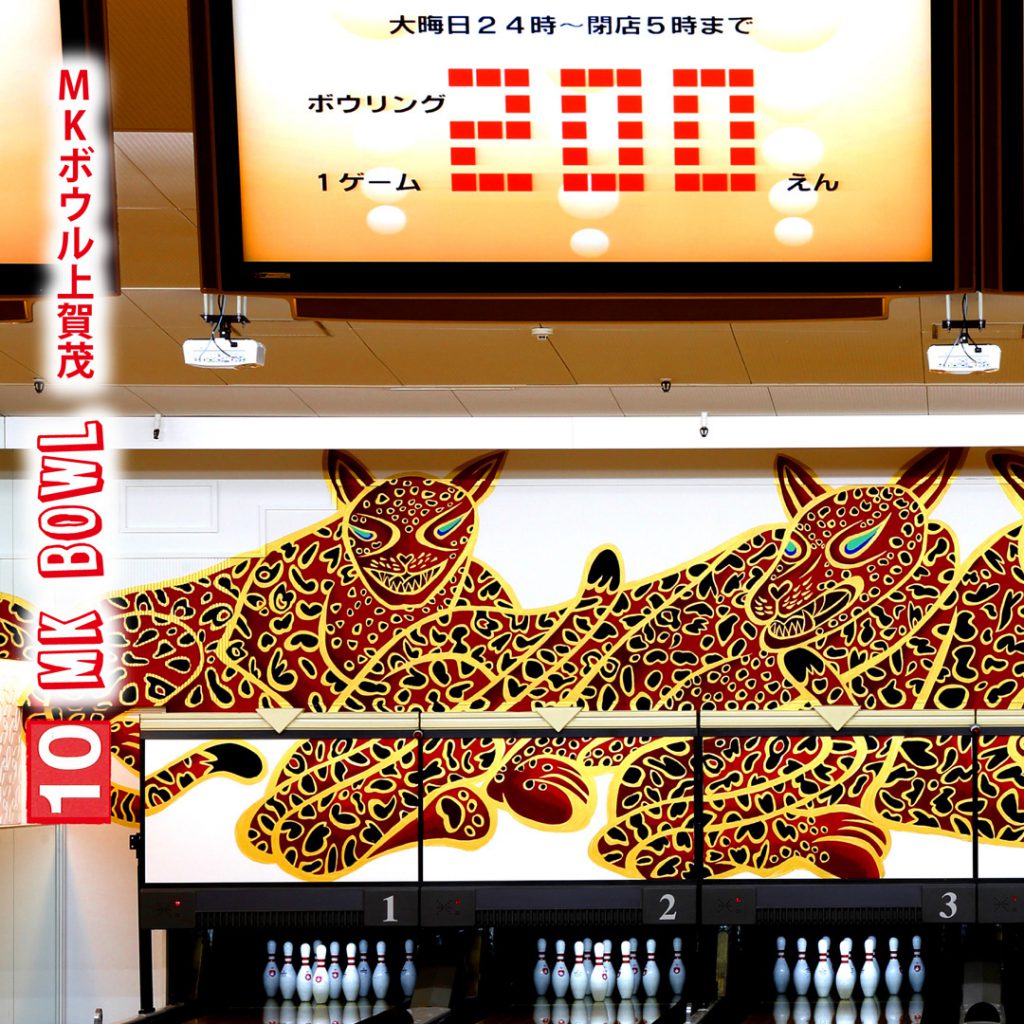
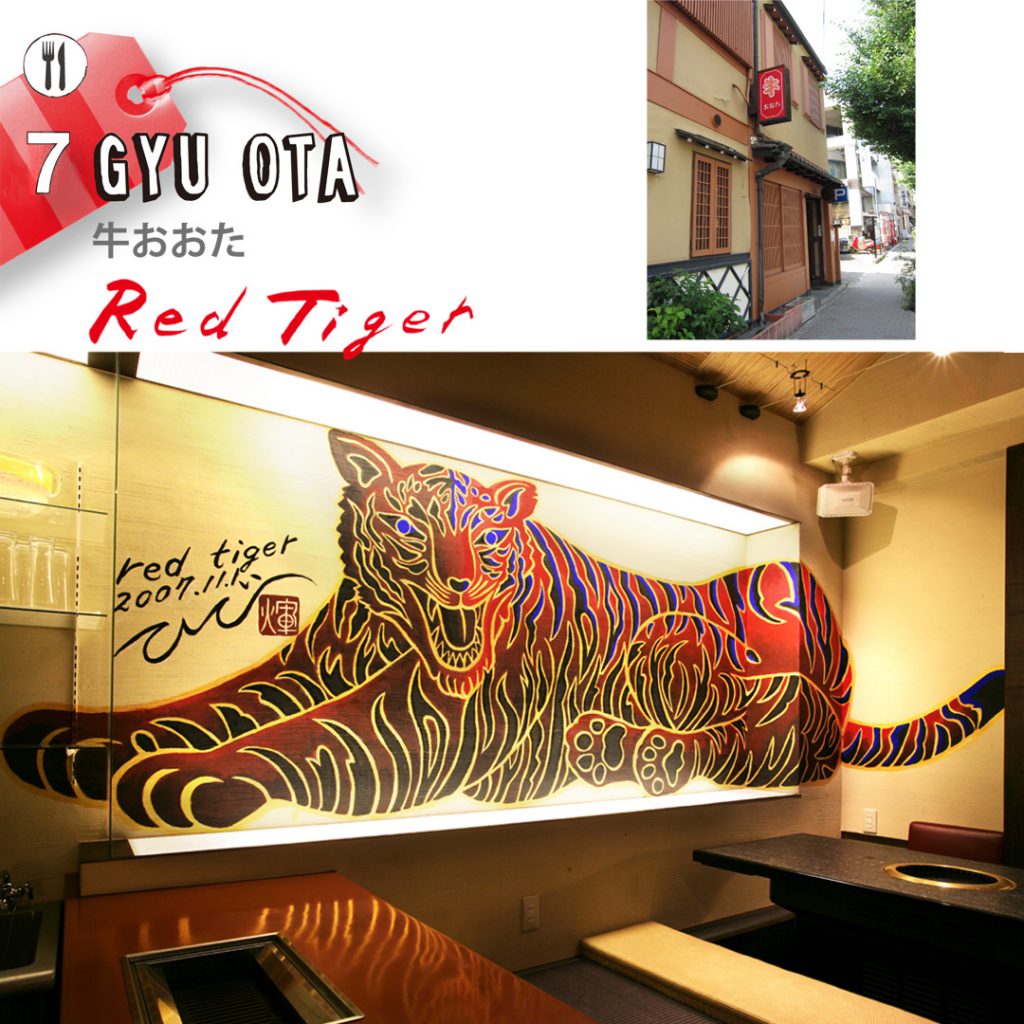
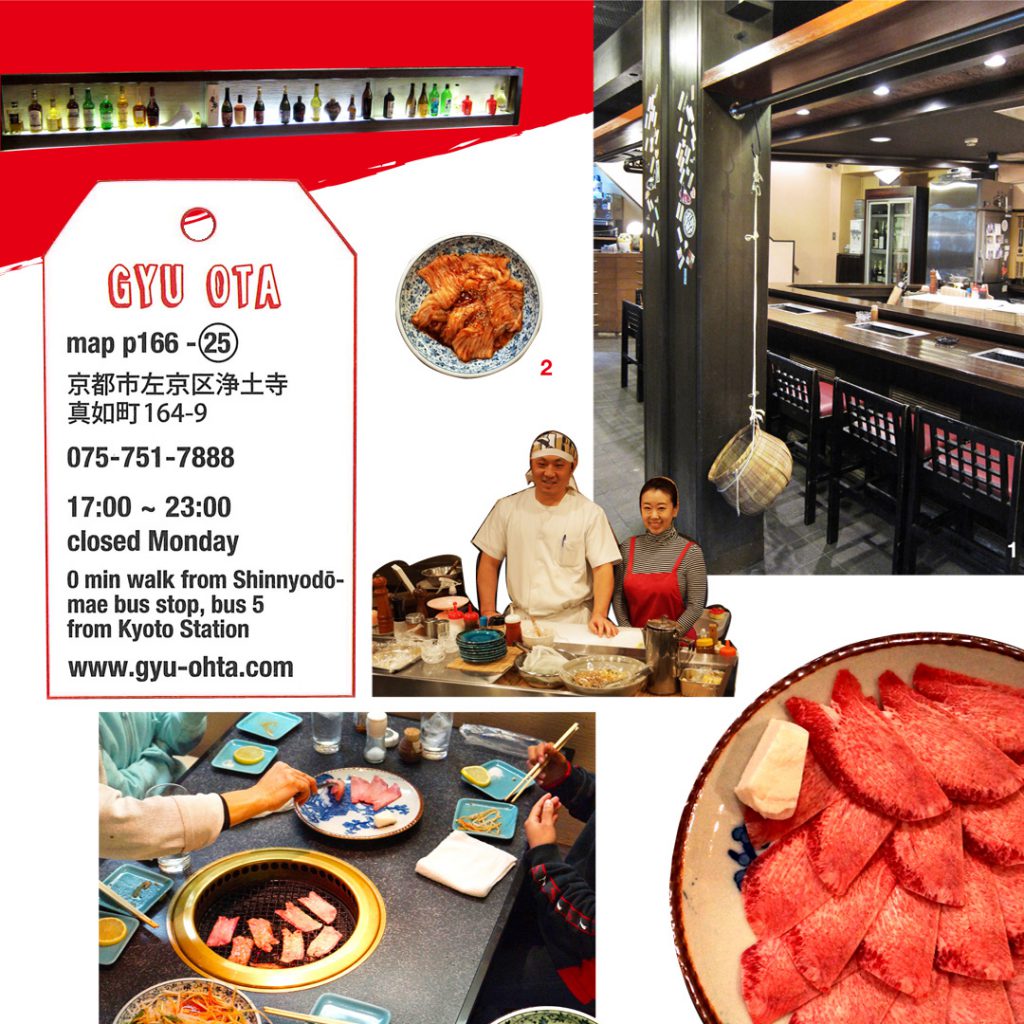
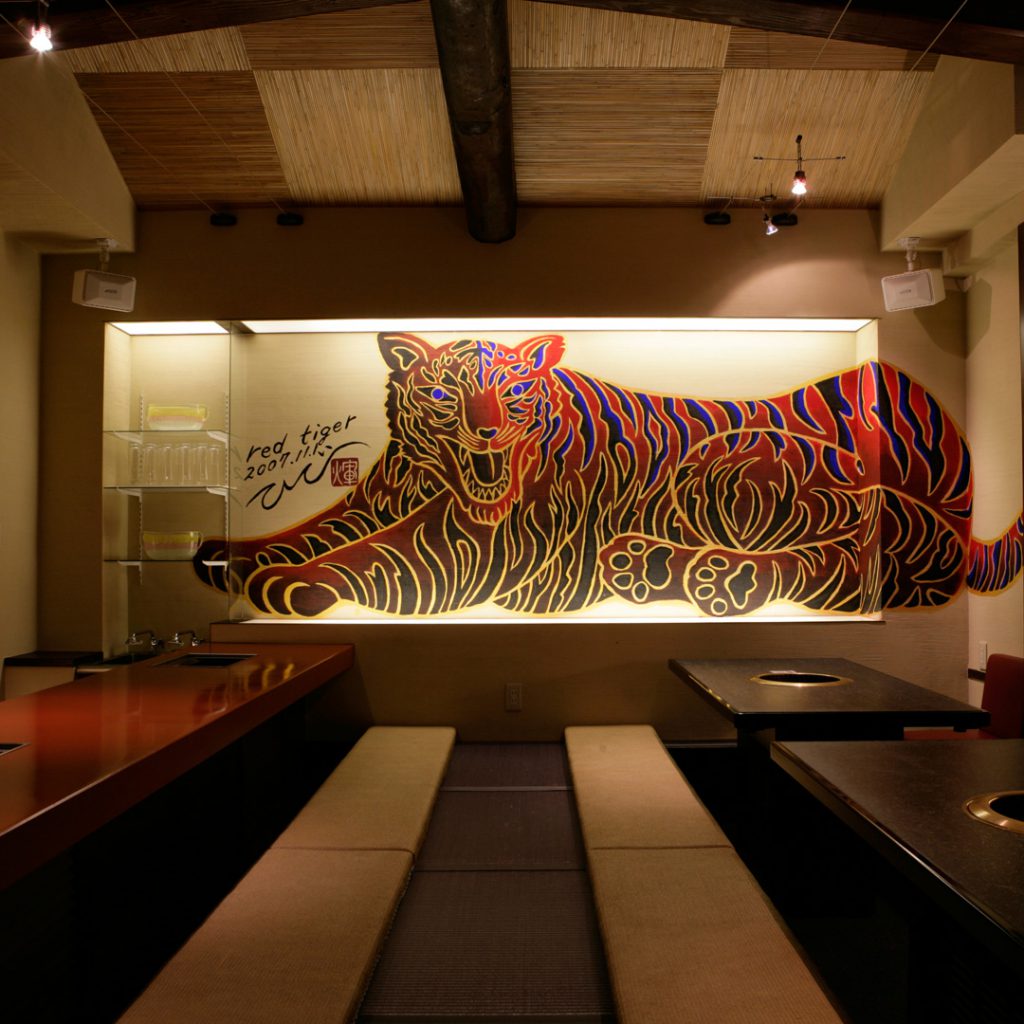
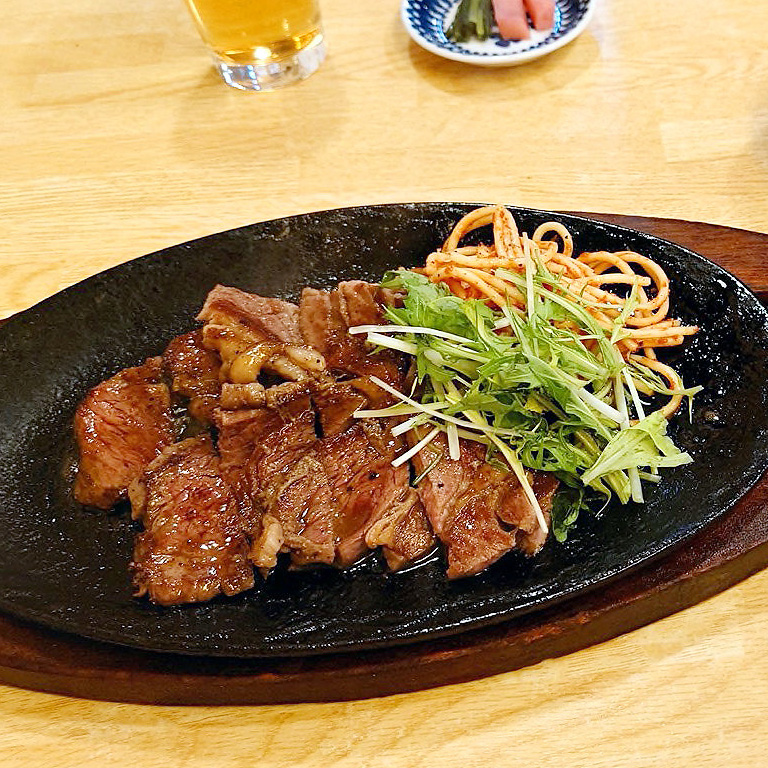
If you are looking for fresh and high quality meat in Kyoto, opt for the yakiniku (authentic Japanese BBQ) restaurant Gyū Ōta. The restaurants superior flavours come from its choice of quality meat-the best Japanese wagyu beef of the day, regardless of region of origin. And don’t forget to try the misuji (oyster blade) and sankaku (chuck ribs), both highly recommended by the owners. Along with carefully selected meats, the restaurant also offers various Korean side dishes including steamed oxtail and harusame noodle salad. The idea of the red tiger painting for this yakiniku restaurant comes from a popular association in Japan among grilled meat, Korea and tigers, as well as Ki-Yan’s desire to paint the tiger in warm colours in order to enhance guests’ dining experience. Following a friend’s suggestion, the artist later repainted the tiger’s tail over the corner pillar.
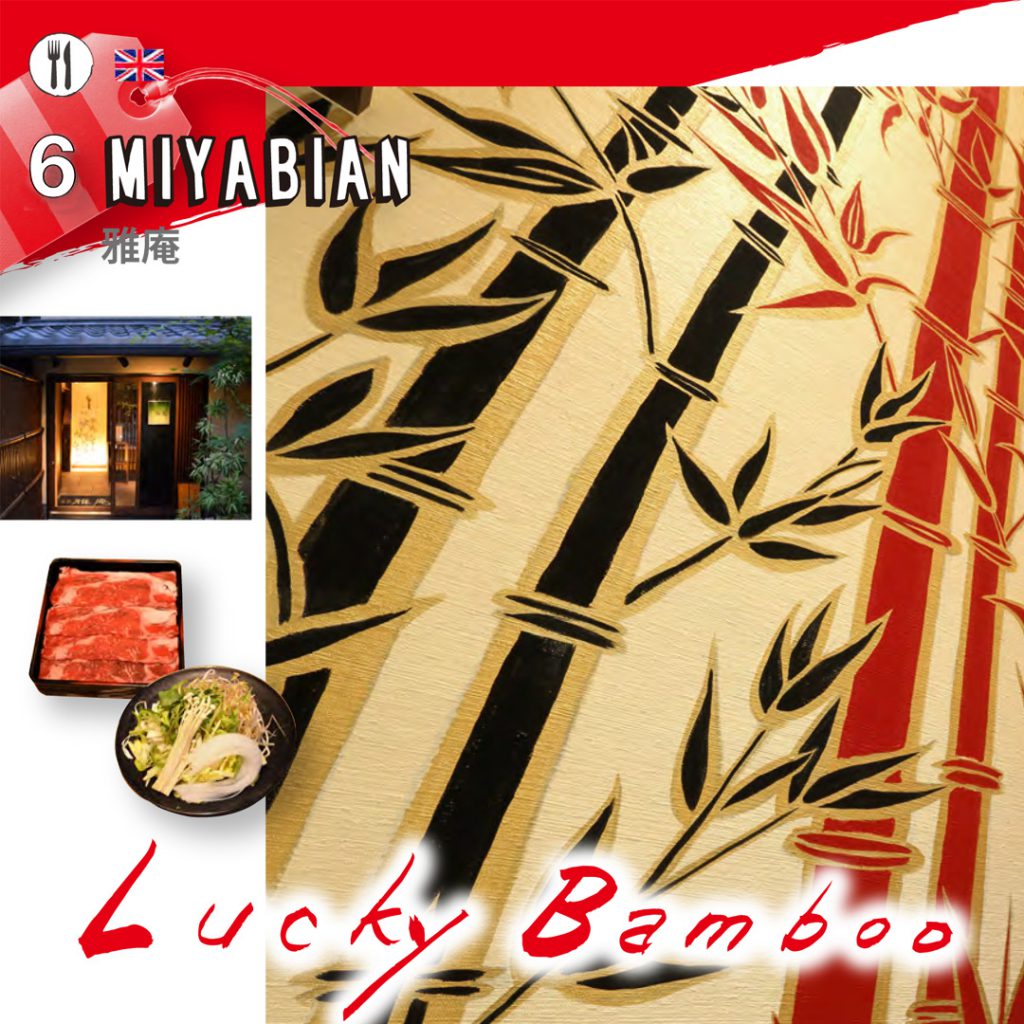
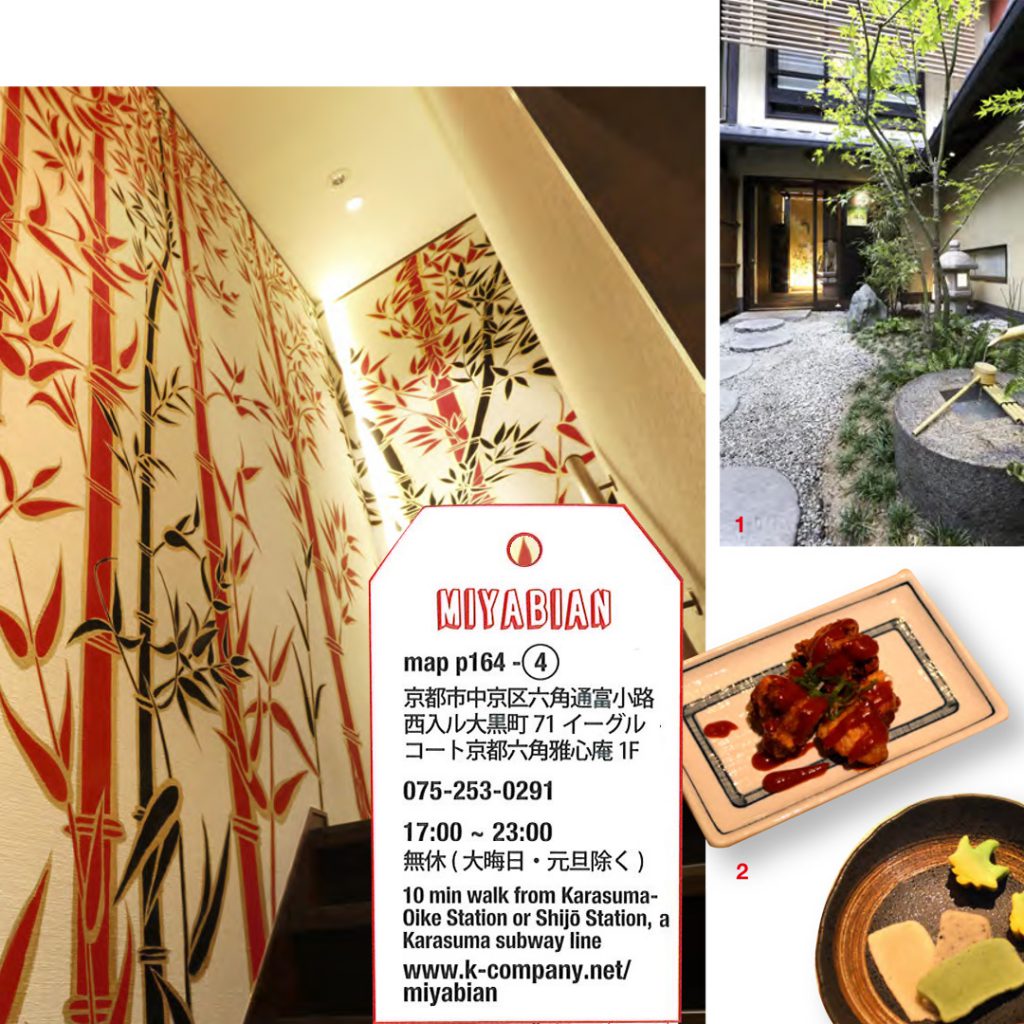
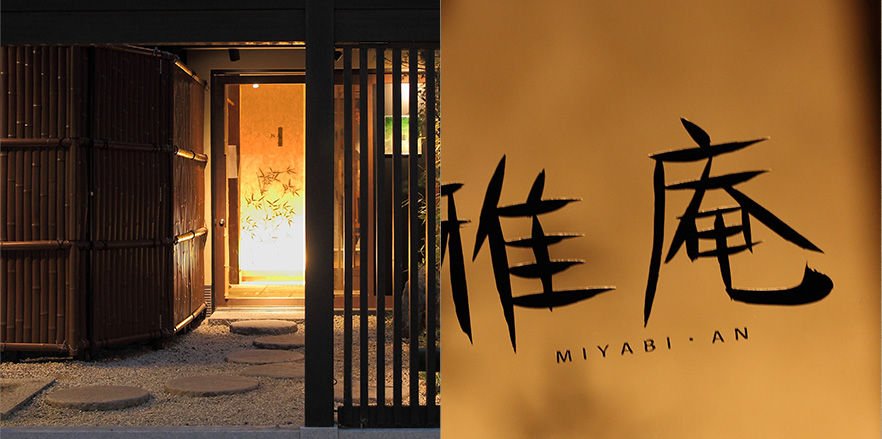
Specializing in kyo-yasai (Kyoto vegetables) and shabu-shabu, Miyabian features an elegant staircase lined with red and black bamboo. Just after Ki-Yan began painting, he spontaneously deviated from his initial plans and completed this mural in a very short amount of time. Before walking up to the second floor to enjoy your shabu-shabu, sukiyaki or buta-shabu, take a minute to admire the impressive ‘Lucky Bamboo’ from the best vantage point: the bottom of the stairs. Don’t miss out on Miyabian’s all-you-can-eat courses and free refill service. The restaurant also has one private tea house-style room that is very popular among couples.
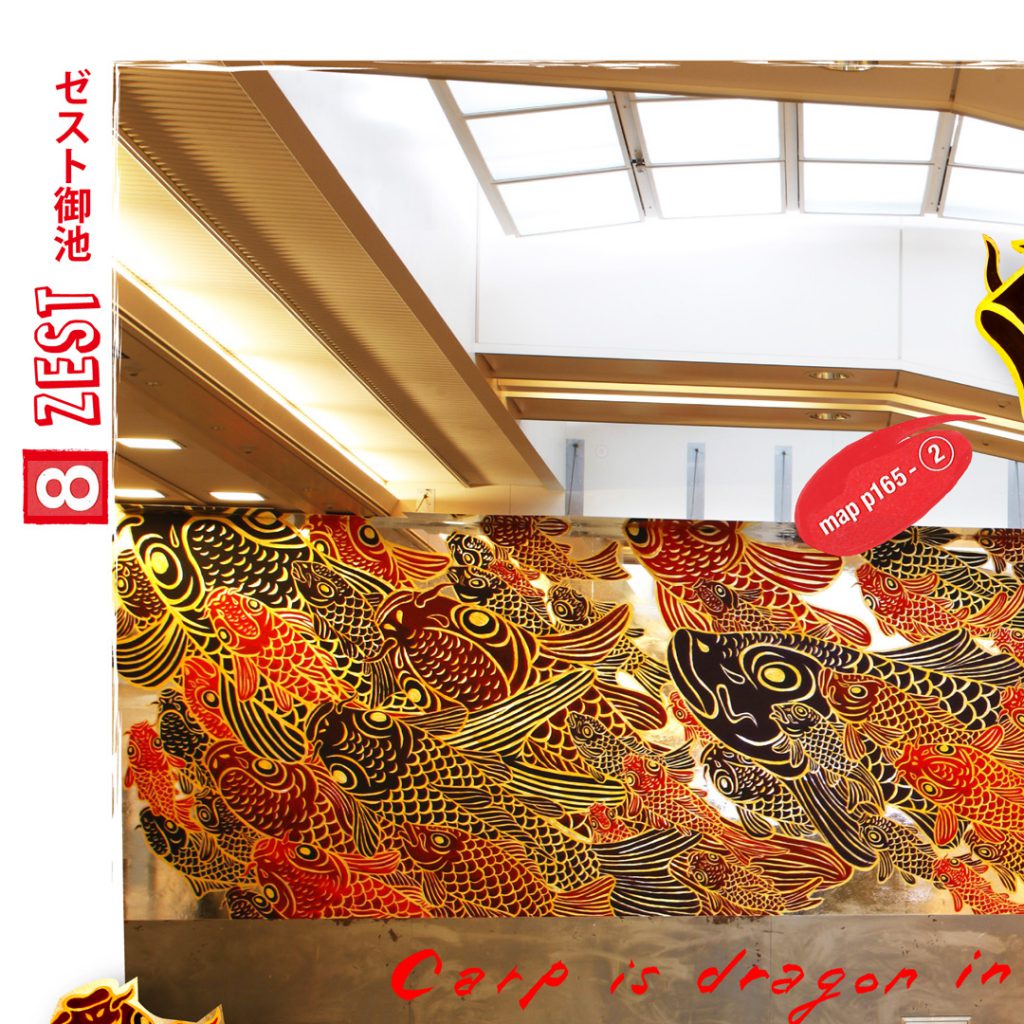
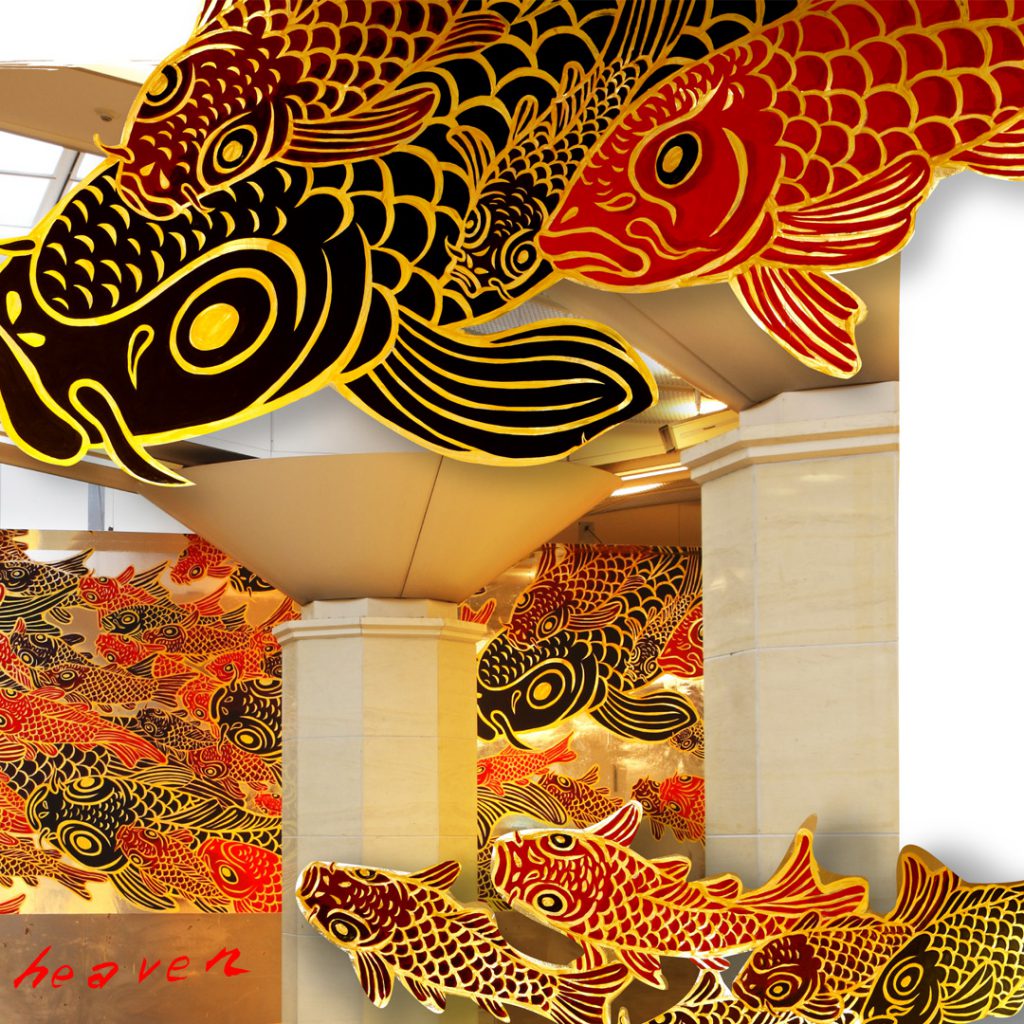
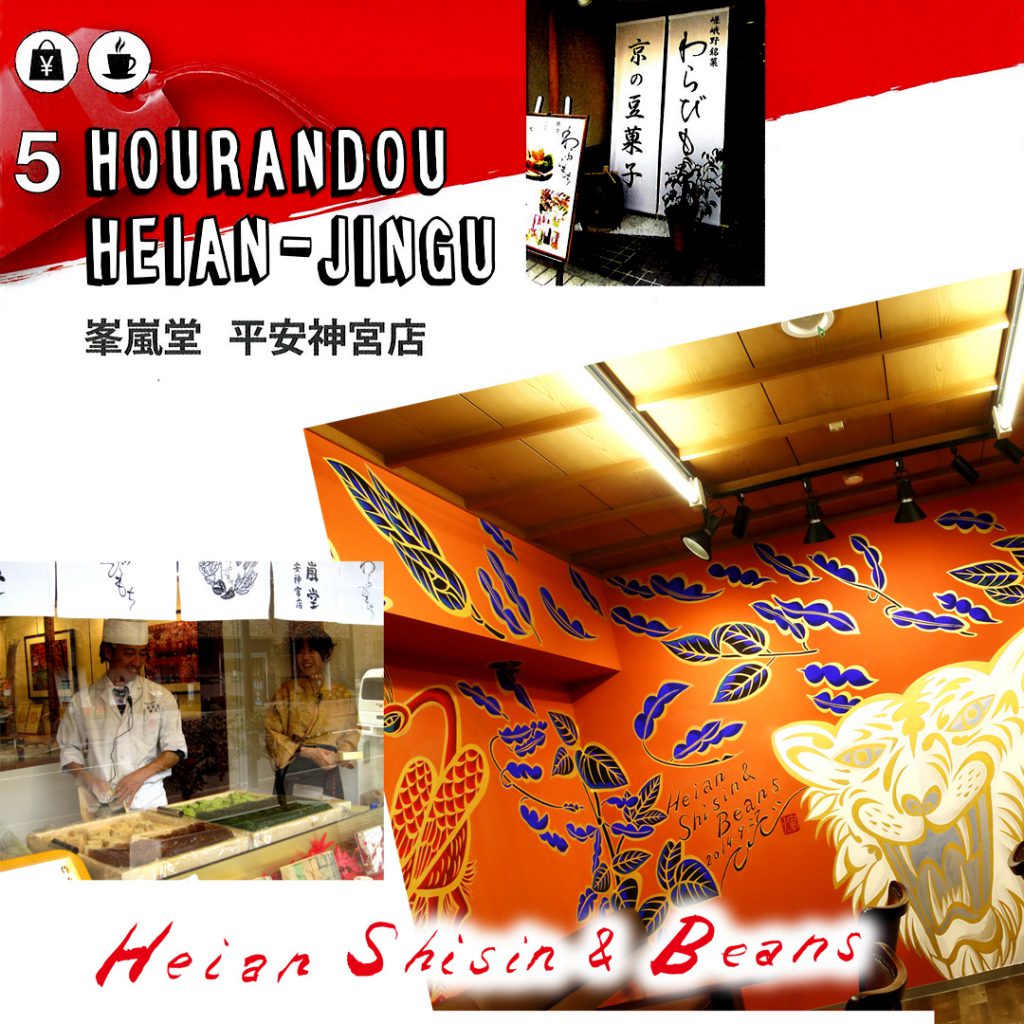
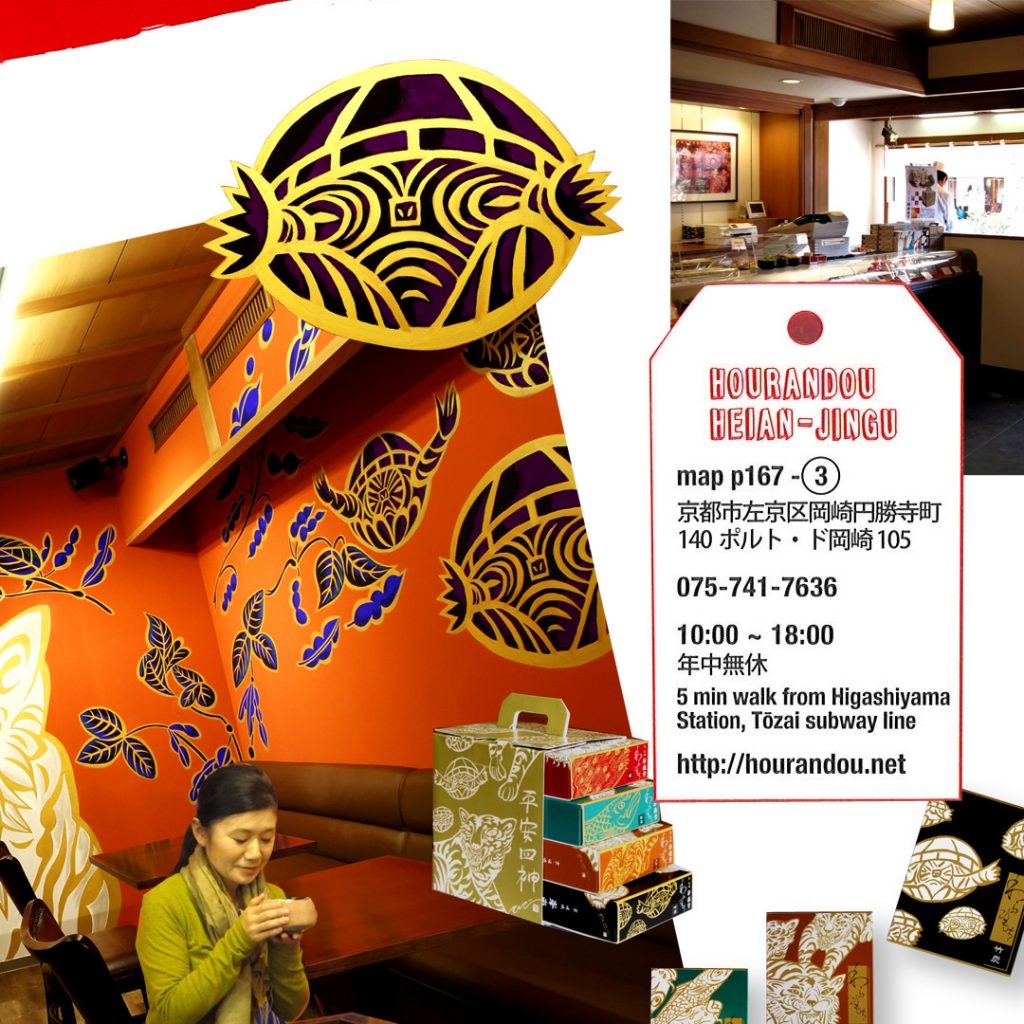
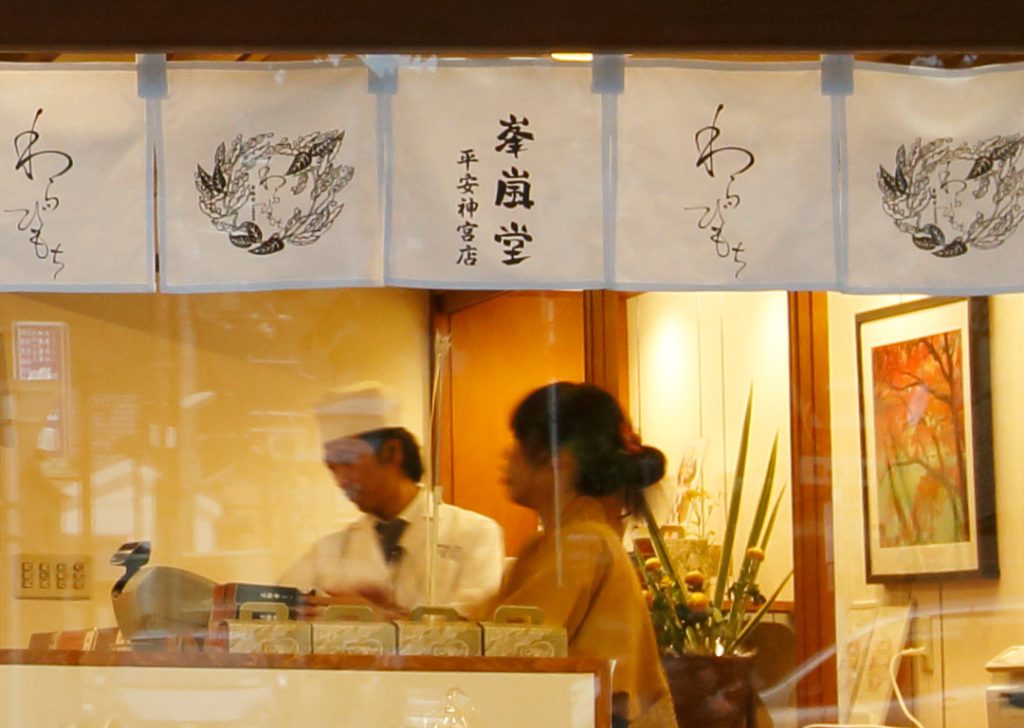
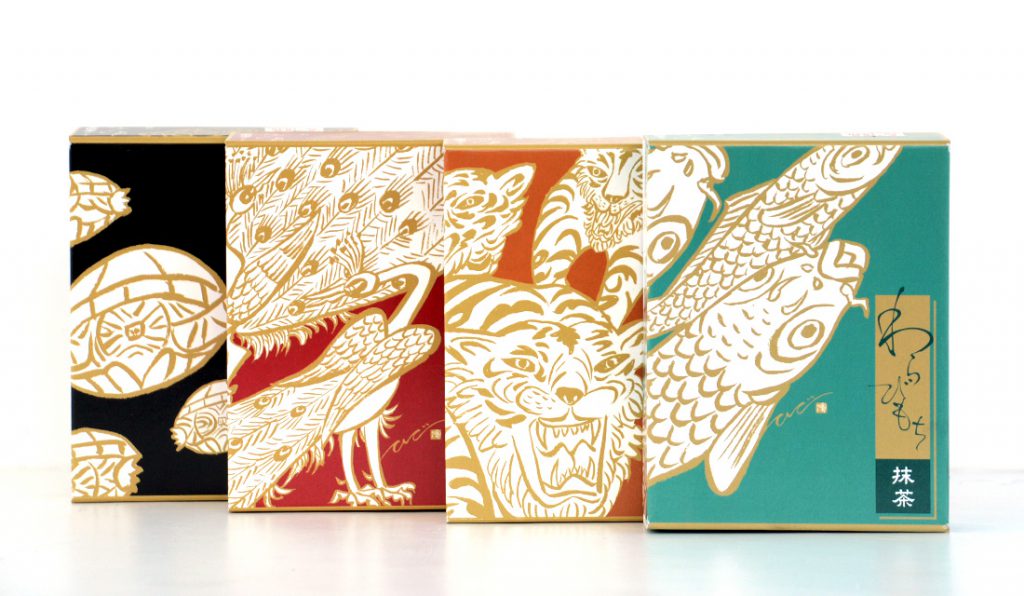
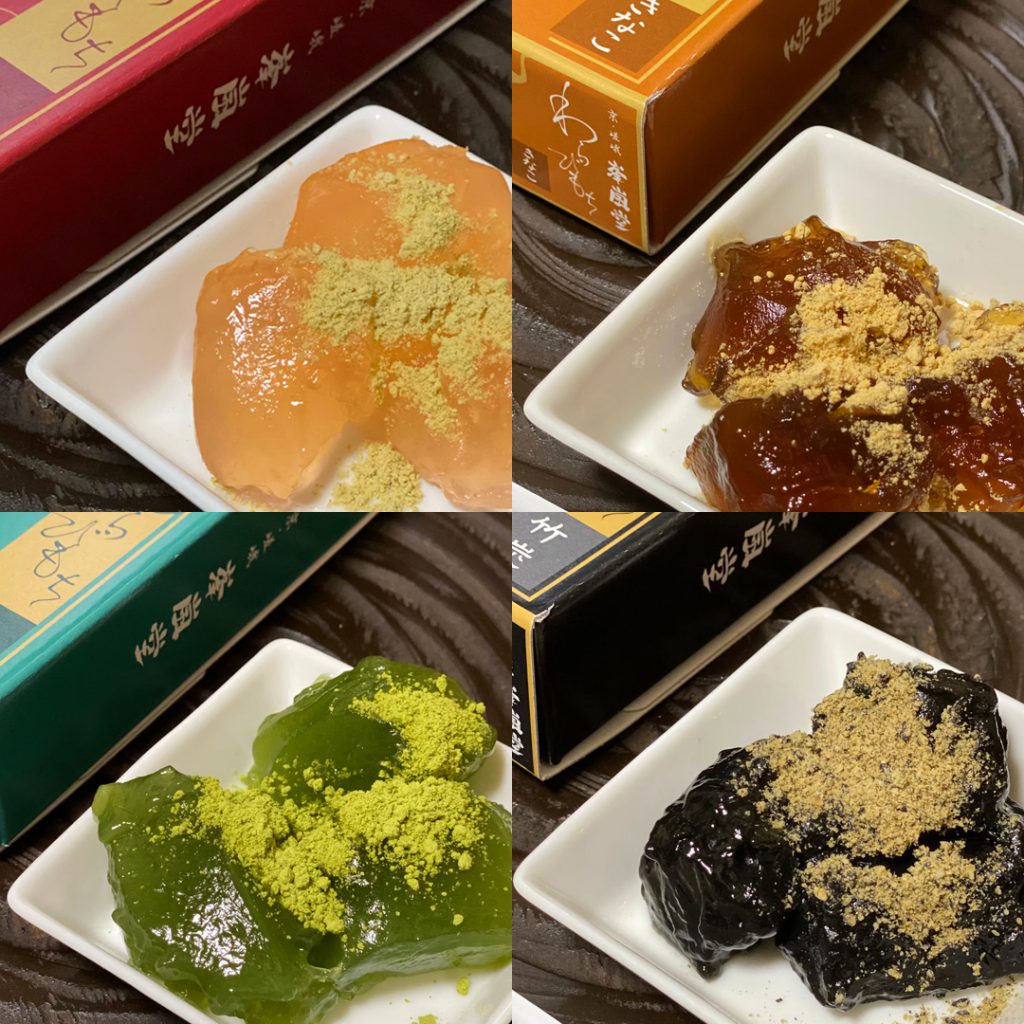
Heian-jingū offers the same product range as the company’s Yasaka branch-its famous warabi mochi (a Japanese confection made from bracken starch) and 40 kinds of mamegashi (bean snacks). The difference is that here you can sit down and enjoy a beautiful set of freshly made warabi mochi and matcha! Hourandou supplies Kyoto restaurants with soybeans, kombu and other dried ingredients, and is especially proud of its high-quality kinako (roasted soybean flour) developed to perfectly match the taste of its homemade warabi mochi. The motifs of the ‘Four Deities’ pained on the café’s walls are connected to the neighbouring Heian-jingū Shrine and represent the four cardinal directions: tiger for the West, peacock for the South, turtle for the North, and carp for the East.
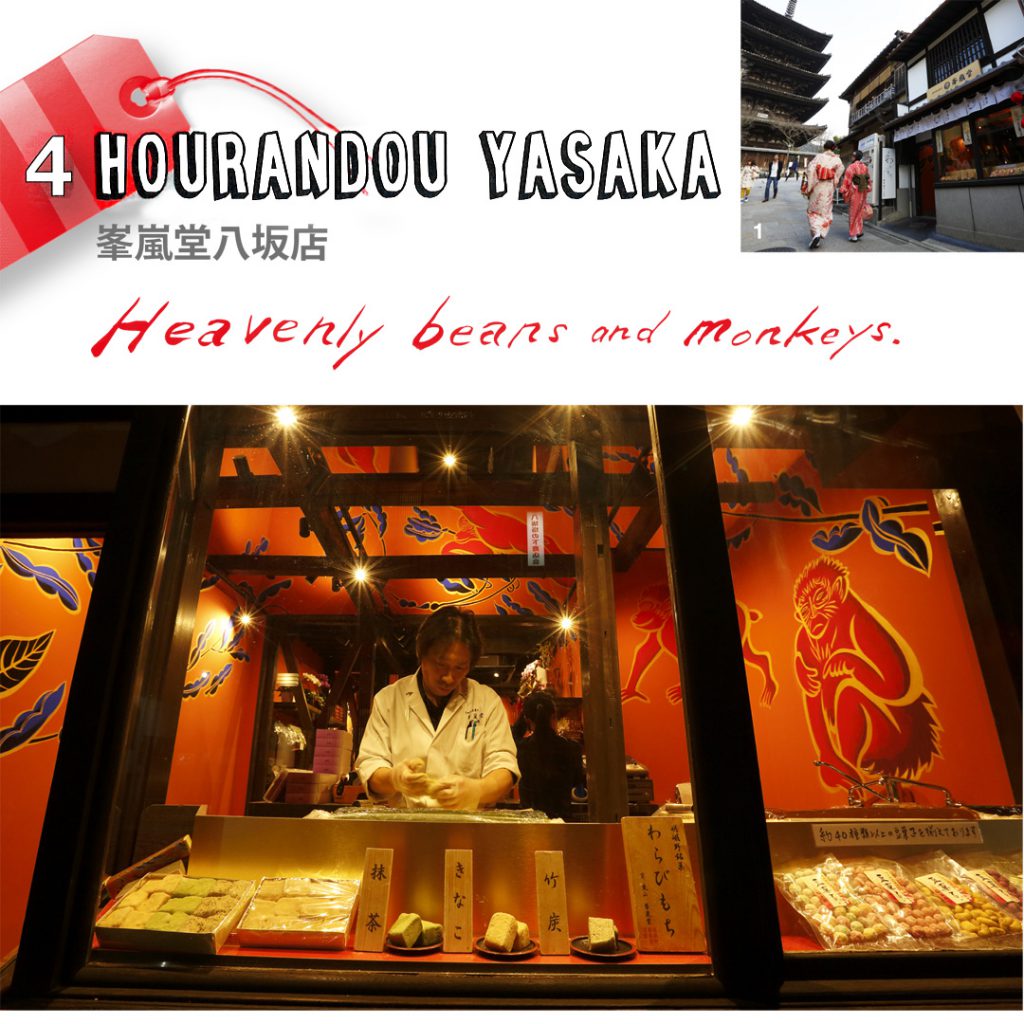
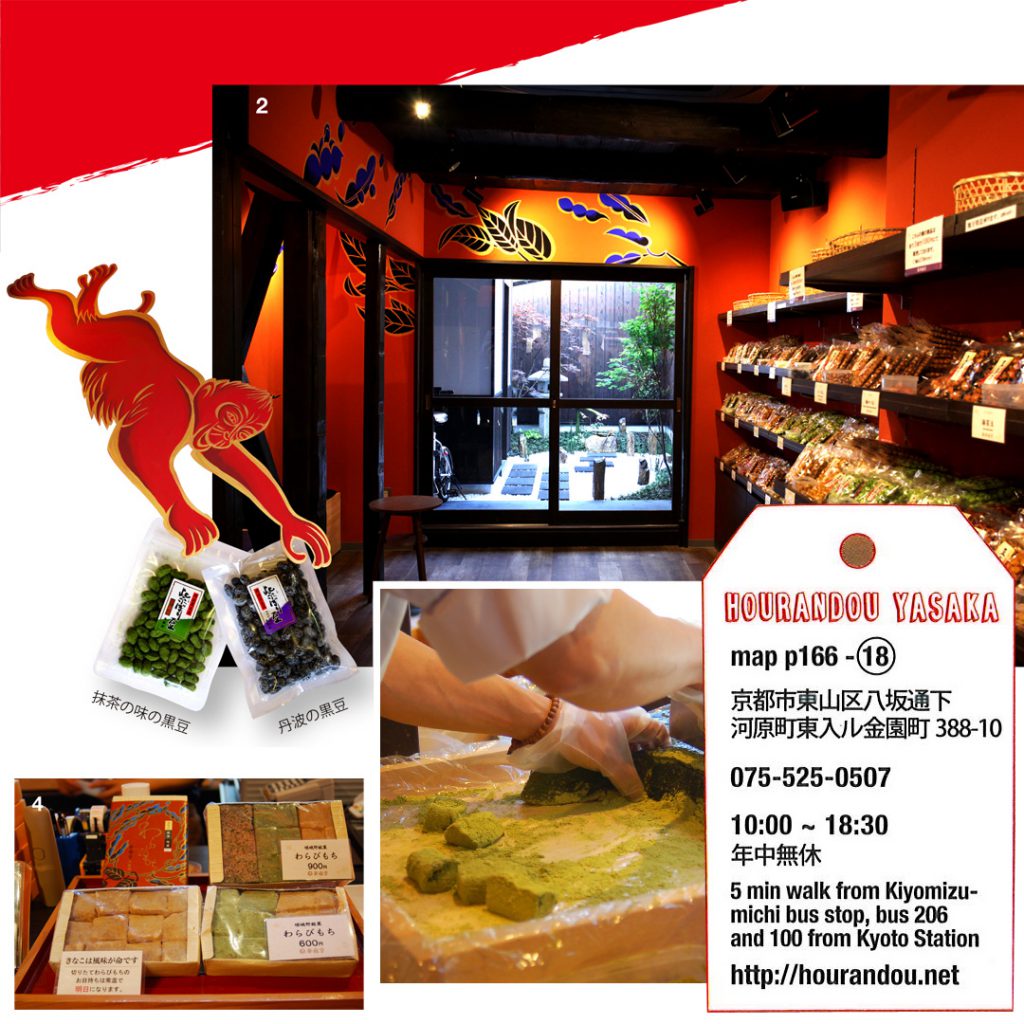
Located just below Yasaka Pagoda, the Yasaka branch of Hourandou offers 40 kinds of mamegashi (beans snacks) as well as a selection of warabi mochi (a Japanese confection made from bracken starch). You may be surprised to see monkeys-a motif that comes from the neighbouring Yasaka Koshindo Templeand giant blue beans flying across the vermillion red walls and ceiling of the shop’s traditional Japanese interior. Because of the high ceilings, this mural was one of Ki-Yan’s most challenging pieces to complete! While taking in this spectacular work of art, try some of the famous soft, jelly-like warabi mochi. It took me two years to develop this kinako (roasted soybean flour) to match the taste of my homemade warabi mochi’, explains the shop’s owner, Nobuyuki Maeba.
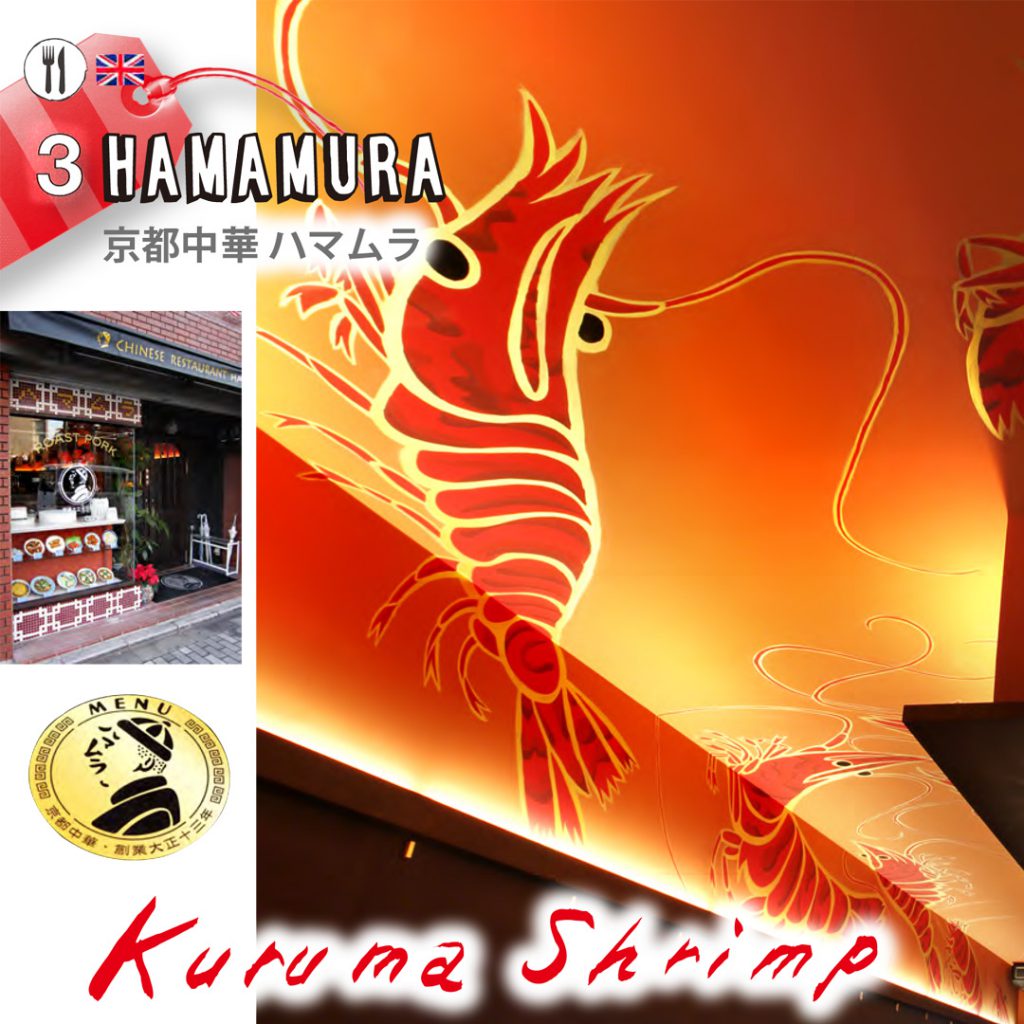
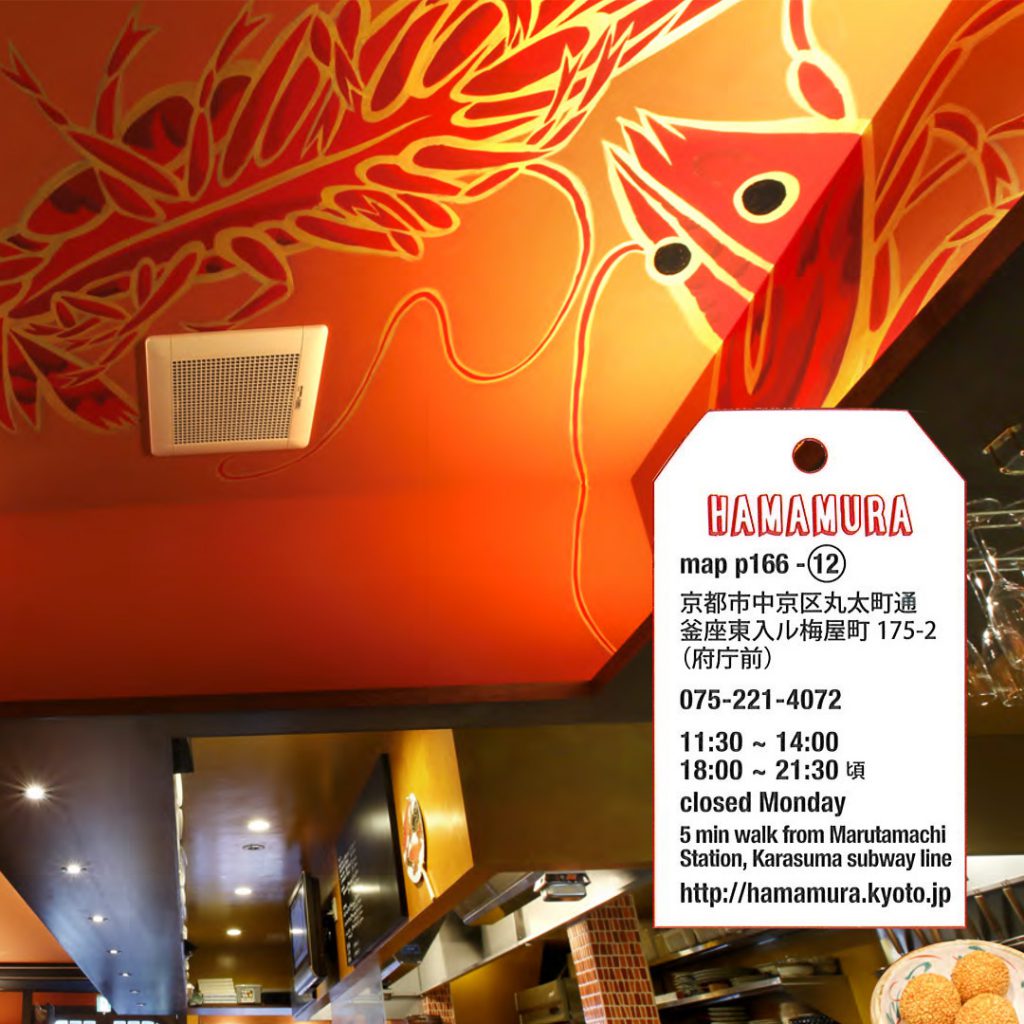
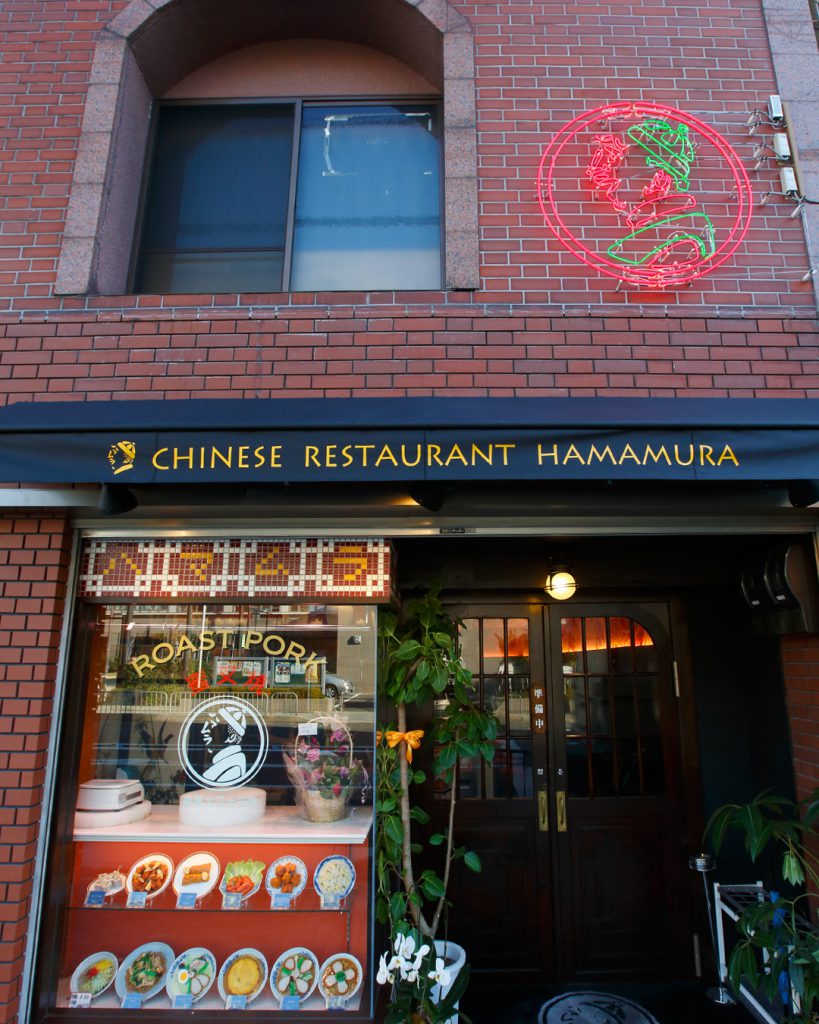
Founded in 1924, Kyoto-Chūka Hamamura is one of Kyoto’s oldest Chinese restaurants. While the closing of its popular Kawaramachi Sanjo-sagaru branch came as a shock to many regulars, the restaurant soon reopened at a new location. Family-run for over 90 years, this successful Chinese restaurant’s current owner-chef is the grandchild of the founder’s younger brother. Although painting on the ceiling is always a challenging task for the muralist, Ki-Yan wished to intrigue the guests by painting a mural of giant kuruma-ebi (Japanese tiger shrimp)-the most popular ingredient at this restaurant-directly above the counter seats.
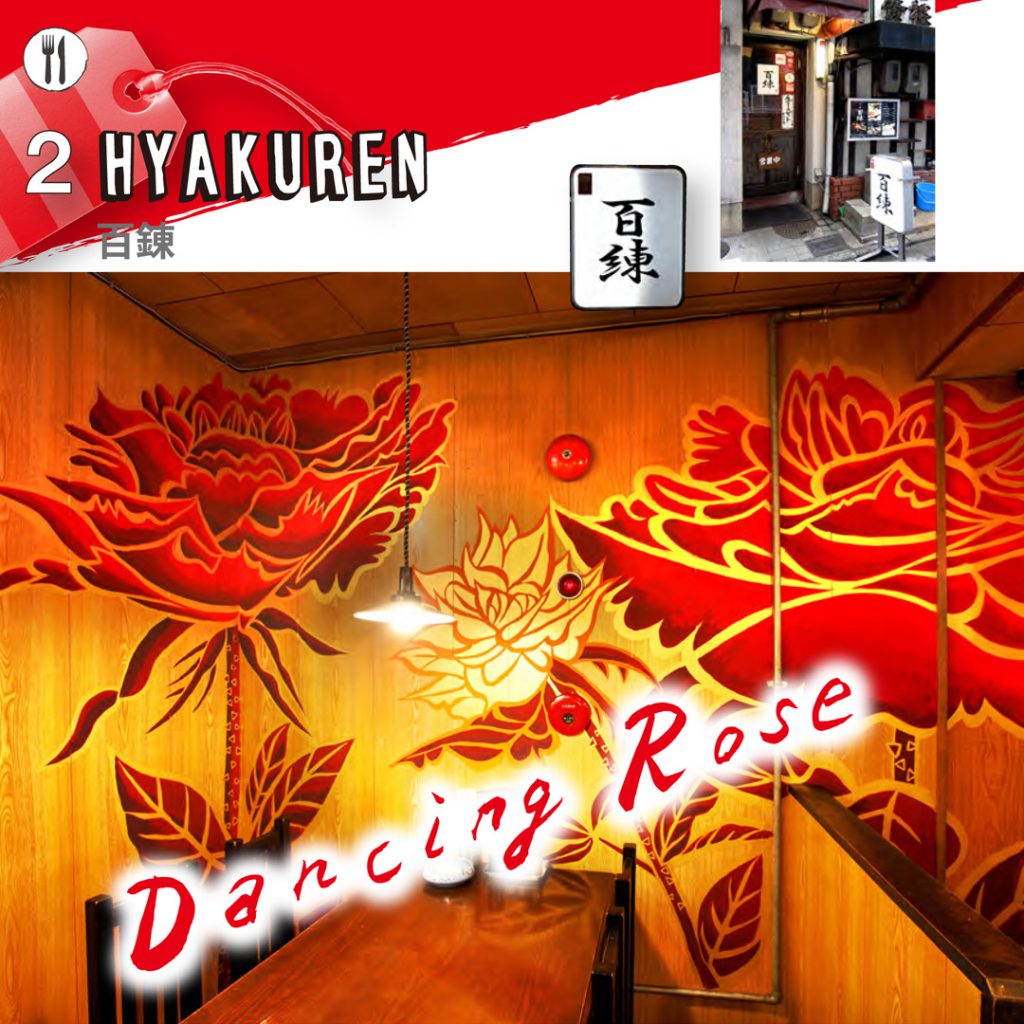
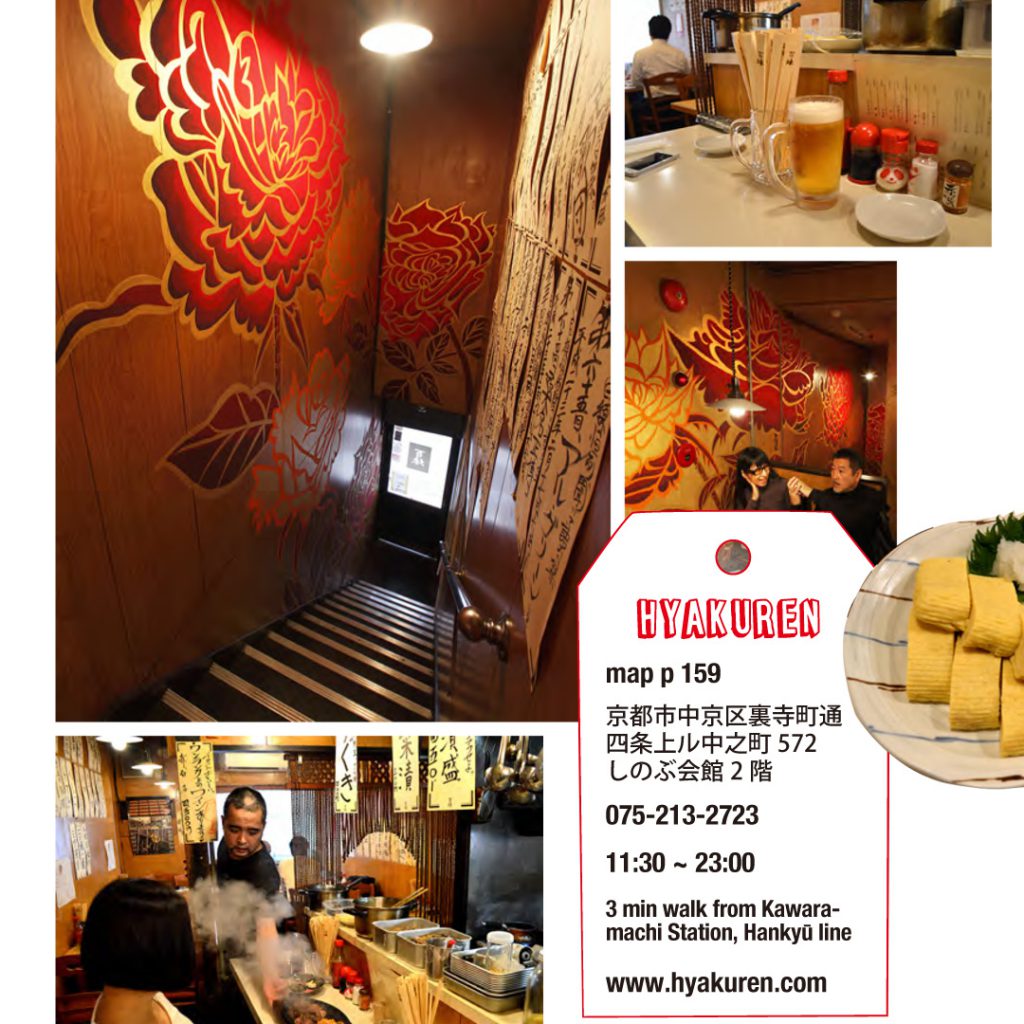
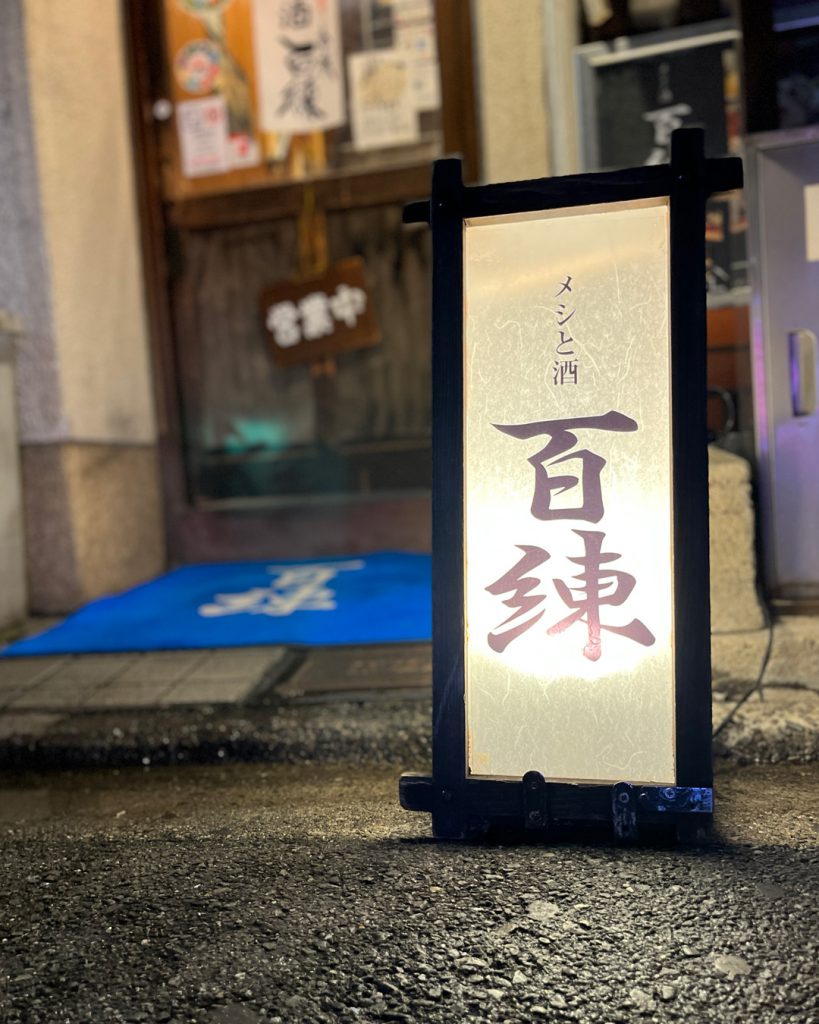
Popular among a wide range of customers, Hyakuren known as a canteen, an izakaya-style pub, a nabe (hot-pot) restaurant or as just a bar-is located in a back alley of Kyoto’s vibrant Shijo Kawaramachi area. As Hyakuren serves alcohol all day, it is a perfect spot to enjoy an early drink. Steep stairs lead you to the bar on the second floor, which features both table and counter seating. Ki-Yan intentionally painted the elegant roses on the rough plywood panels of the staircase to contrast to the pub’s casual atmosphere. Although the gorgeous roses are so outstanding, apparently many of the customers notice them for the first time on their way back down the stairs…
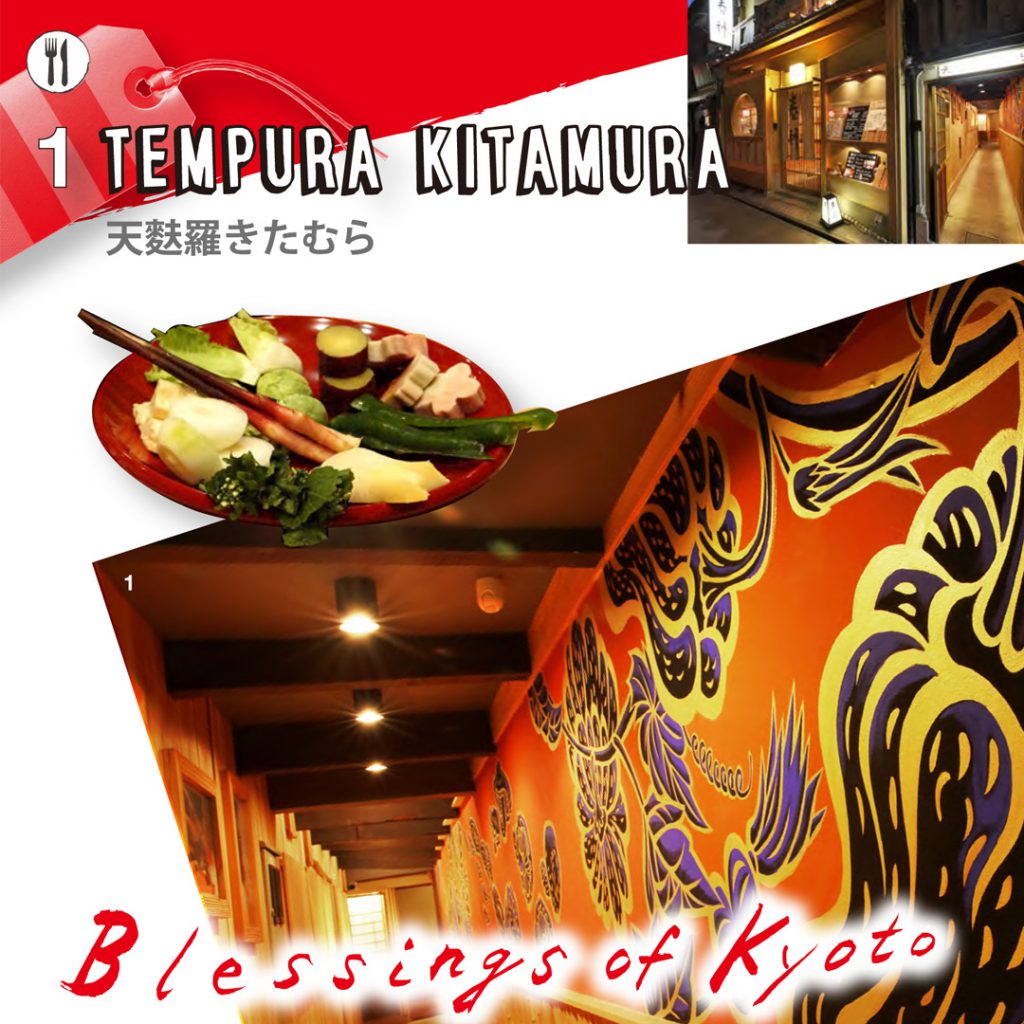
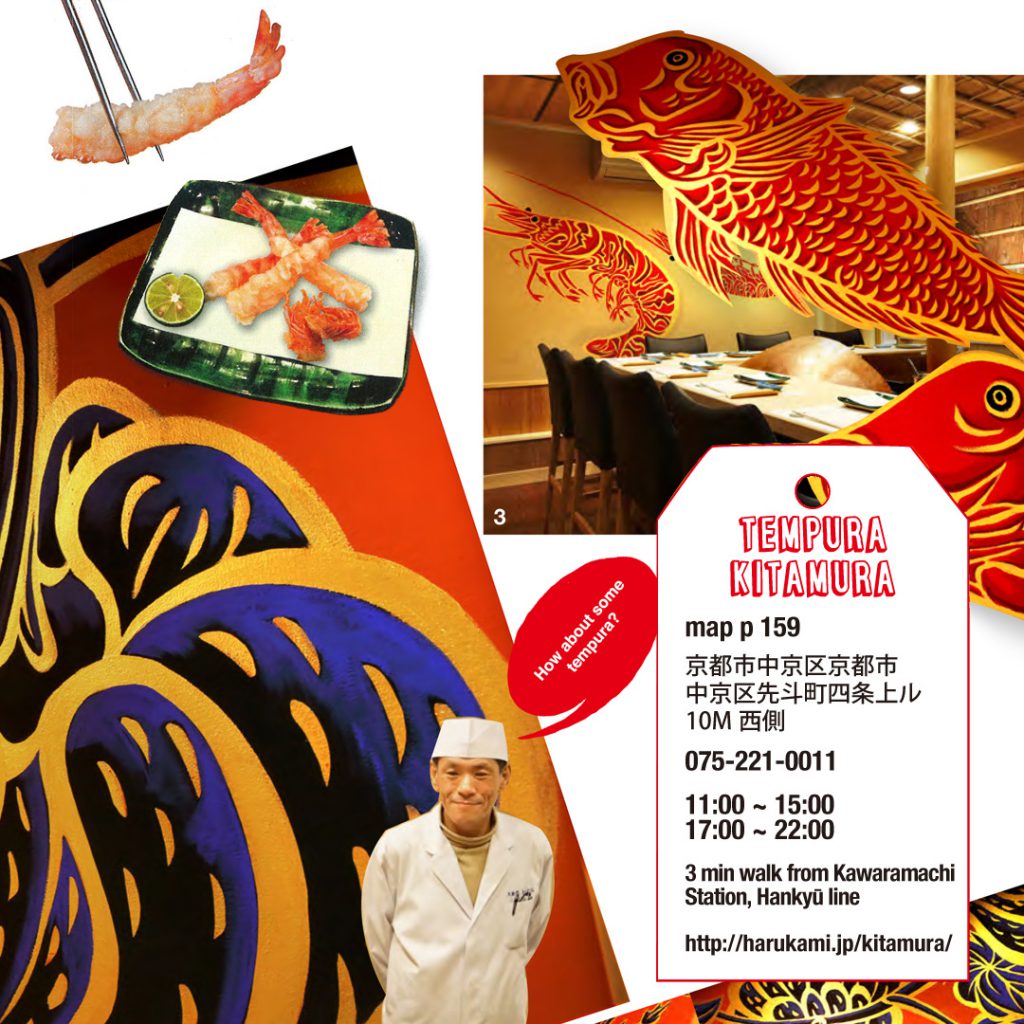
The chef of Tempura Kitamura uses a copper pot at the counter to fry fresh seasonal vegetables, fish and shrimp right in front of guests. Located in Kyoto’s atmospheric Pontocho Alley, this tempura restaurant is situated at the end of a narrow entrance that showcases Ki-Yan’s iconic mural of Kyoto vegetables and a shop sign handwritten by the artist. Inside the small restaurant you will find another of Ki-Yan’s paintings: giant shrimp and fish spiritedly jumping across the walls.